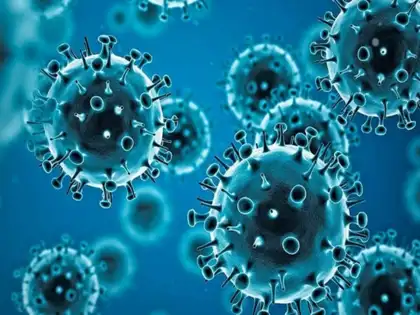
The Human Metapneumovirus (HMPV) is a respiratory virus that causes flu-like symptoms. While it often leads to mild illness, it can pose greater risks to young children, the elderly, and individuals with weakened immune systems.
What Happened in Bengaluru?
Recently, an 8-month-old child in Bengaluru was suspected to have contracted HMPV. The case was detected at a private hospital, which reported it to health authorities. Although the Karnataka health department has not yet independently verified the results, officials have acknowledged the accuracy of the hospital’s testing procedures.
Earlier, the health department had stated that no cases of HMPV were reported in the state. The suspected case has raised concerns, but health officials emphasized that it remains unconfirmed until further lab results are available.
What is HMPV Virus?
Human Metapneumovirus is a virus that primarily affects the respiratory system. It spreads through direct contact with infected people or contaminated surfaces, similar to other respiratory viruses like RSV (Respiratory Syncytial Virus).
The virus is most common during the winter and early spring months. It was first discovered in 2001 by researchers in the Netherlands and has since been recognized as a significant cause of respiratory illness.
Common Symptoms of HMPV
HMPV infections usually cause mild symptoms, such as:
- Cough
- Runny or stuffy nose
- Sore throat
- Fever
However, in severe cases, it can lead to:
- Wheezing
- Difficulty breathing
- Hoarseness
- Pneumonia
- Aggravation of asthma in adults
Young children under one year, the elderly, and those with weak immune systems are at higher risk of developing severe respiratory illnesses like pneumonia or bronchiolitis.
Who is at Risk?
Anyone can get HMPV, but the following groups are most vulnerable:
- Children under five, especially infants
- Elderly individuals
- People with weakened immune systems or underlying health conditions
Studies suggest that 5-16% of cases in young children may progress to lower respiratory tract infections.
How to Stay Safe
Although there is no vaccine or antiviral treatment for HMPV, most people recover with rest, hydration, and over-the-counter medicines for symptom relief. Severe cases may require hospitalization and supportive care, such as oxygen therapy.
Health experts recommend taking precautions during the winter and spring months, especially for high-risk individuals. These precautions include:
- Frequent handwashing
- Avoiding close contact with sick individuals
- Cleaning frequently touched surfaces
While the suspected case in Bengaluru has raised awareness, health officials assure there is no need for panic. Early detection and proper care can help manage the virus effectively.
ALSO READ–


Leave a Reply